
From car seats to batteries to soundproofing your home, silicone foams are everywhere; but which type is best for your needs?
In this article, we explore where foams are used in various industries, as well as comparing the advantages of silicone foam over polyurethane foam.
Advantages of silicone foams
Silicone foams are ideal for sealing, insulation and vibration damping, especially in applications where the sealing surface is not smooth and temperatures vary widely, thanks to the excellent versatility of silicone. Here we explore the unique advantages of these foams.
The closed-cell foam structure prevents the absorption of water, moisture or dust, making it ideal for sealing applications where water and dust must be kept out.
- Low flammability: allows use in fire protection measures and glass gaskets (UL94 classification).
- Low density: reduction in overall weight and improved dimensional stability.
- Excellent compression-rebound resistance.
- Mechanical properties remain virtually constant between -60°C and 230°C.
- Maintains full flexibility over a wide temperature range.
- Good acoustic and thermal insulation.
- Highly resistant to aggressive chemicals and UV rays, with excellent weather resistance properties.
- No release of toxic chemicals during thermal decomposition.
- Excellent dielectric properties – allowing use in electrical insulation or conduction.
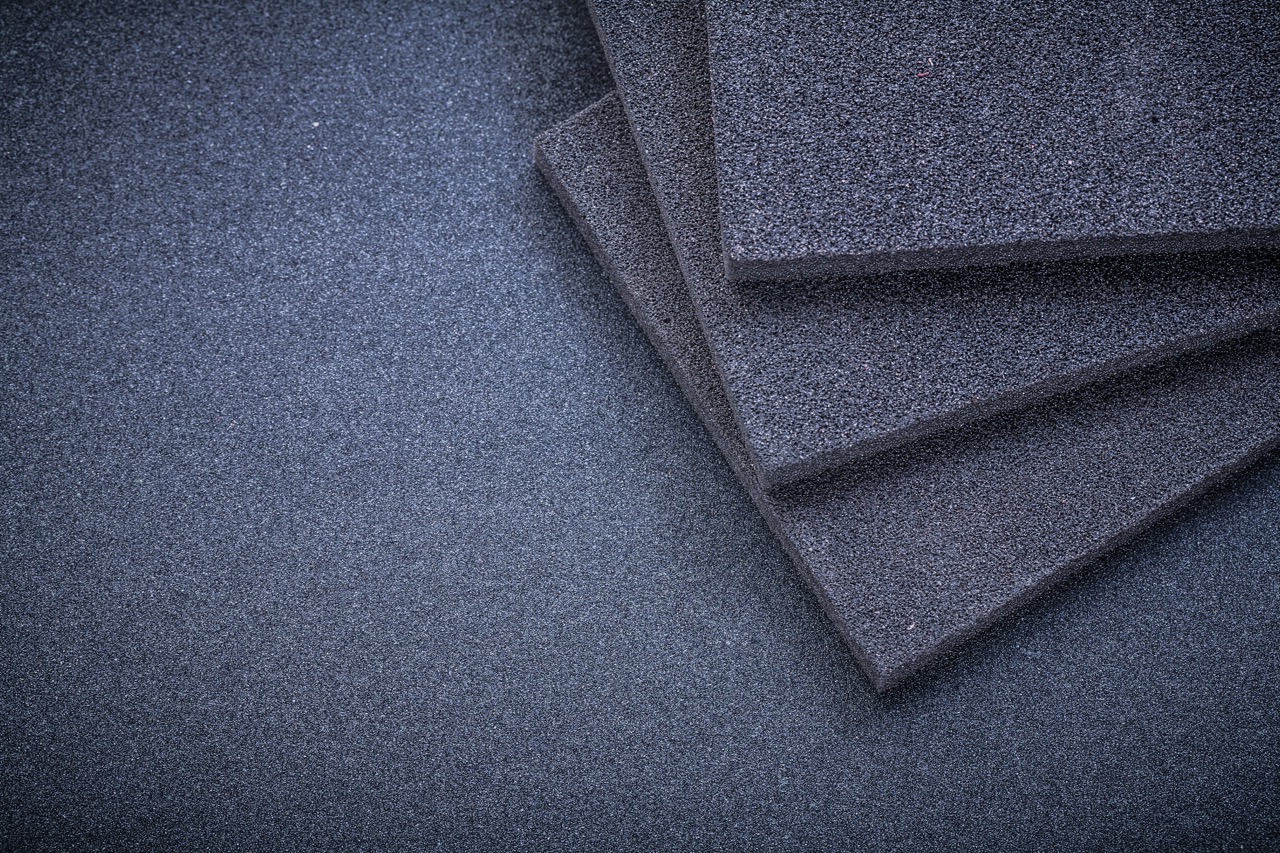
Advantages of polyurethane foams
Polyurethane foams are used in many applications where comfort is a priority, including car seat cushions, mattresses and the furniture industry in general. It is a durable and economical material, although after decomposition it is prone to emitting harmful chemicals that could cause damage. Here we explore a range of advantages of polyurethane foam:
Polyurethanes are harder than rubber and more flexible than plastic, resulting in high strength and impact resistance.
- Excellent abrasion resistance.
- Extremely lightweight: helps reduce emissions in transport applications.
- Highly resistant to aggressive chemicals and oils – minimal swelling.
- One of the softest foams that can be used in the furniture industry.
- Excellent impact resistance due to high vibration frequency.
- Structurally stable.
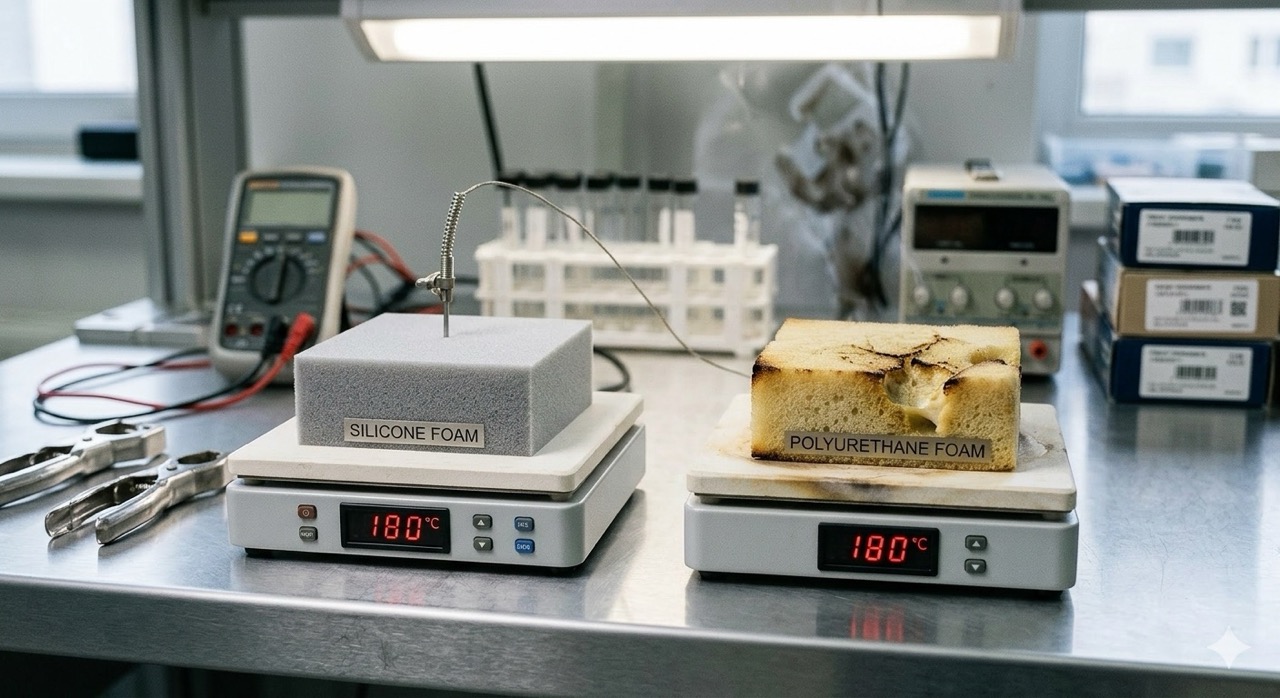
Comparison between silicone and polyurethane foam
When it comes to technical comfort in the furniture industry, polyurethane foams have the advantage of being soft, impact-resistant, durable and lightweight.
However, due to polyurethane’s tendency to emit volatile organic compounds that can cause problems, it has been gradually phased out of the mattress and upholstery industries and replaced by more environmentally friendly materials.
When considering insulation and fire safety measures, closed-cell silicone foams definitely have the upper hand because they are completely flexible over a very wide temperature range and are fireproof.
As a result, they have proven useful in the thermal management of electric vehicle batteries. Furthermore, they can be used on any surface regardless of the environment in which they are located, thanks to their extreme weather resistance and the silicone’s resistance to aggressive chemicals and UV rays.
Overall, silicone foams can be used in a wider range of applications than polyurethane foams, without the adverse health effects associated with polyurethanes.
A silicone foams to consider
DOWSIL 3-6548 RTV silicone foam is a medium-density, two-component foam, ideal for sealing fire penetrations in systems containing cables and pipes. It is able to prevent smoke and gas from penetrating through the seals by forming irregular and complex shapes around the components it is protecting.
It consists of two liquids that are mixed in a 1:1 ratio, expanding and curing at room temperature to form an elastomer.
Like all silicone foams, it is non-corrosive, flame-retardant and resistant to UV rays and extreme temperatures. In addition, it also complies with HL3/R22 of the EN45545 railway standard, making it an excellent choice for use in the railway sector.
Within the MD Poland range, DOWSIL 3-8259 RF Silicone Foam and DOWSIL 3-8219 RF Silicone Foam are commonly used for sealing, thermal insulation and vibration damping in electronics, transportation and industrial equipment where reliable fire-resistant silicone foam is required.
Why silicone foam is the right choice for many applications
As highlighted in this article, silicone foam offers important advantages over polyurethane foam, particularly in applications that require fire resistance, thermal stability, environmental durability and reliable sealing performance across a wide temperature range.
For companies working in industries such as electronics, transportation, energy or industrial manufacturing, choosing the right foam material can significantly improve safety, durability and overall system performance.
If you would like to find out more about silicone foam solutions or specific products available for your application, contact the experts at MD Poland.

