
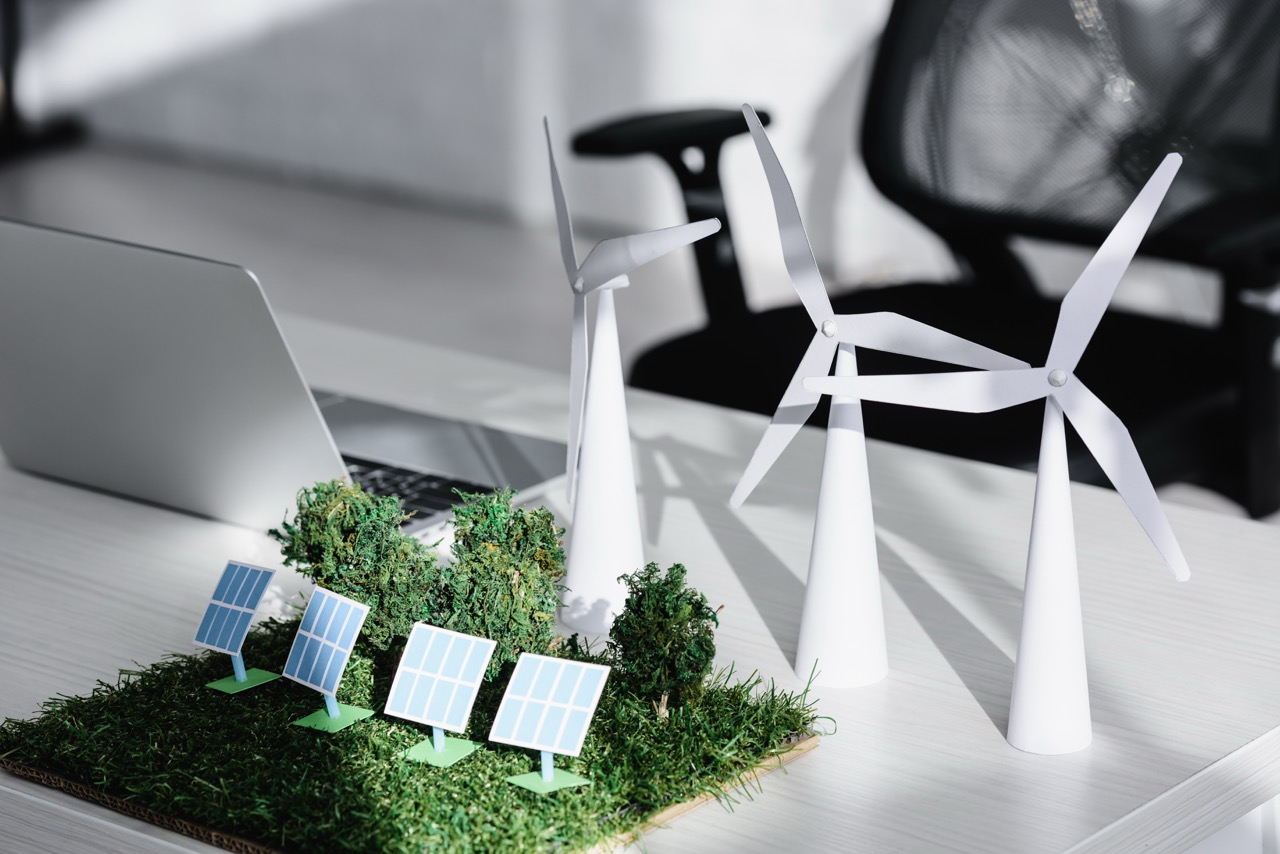
Renewable energy is energy produced from natural sources that are continuously regenerated and do not run out with use. Unlike fossil fuels, these sources are constantly available over time and allow electricity to be produced with a reduced environmental impact.
The main types of renewable energy are:
- Solar energy, obtained from the sun’s radiation through photovoltaic or thermal technology
- Wind energy, generated by wind through turbines
- Hydroelectric energy, produced by exploiting the movement of water
- Tidal and marine current energy, derived from the motion of tides and water masses
- Biomass energy, obtained from organic materials
Forecasts indicate that these sources will account for over 50% of global electricity production by 2035. However, the growth of renewables does not depend solely on generation capacity: it is closely linked to the reliability of the electronic systems that enable conversion, monitoring, management and integration into the grid.
In this scenario, electronic protection becomes a determining factor in ensuring operational continuity and durability.
Hydroelectric and marine energy
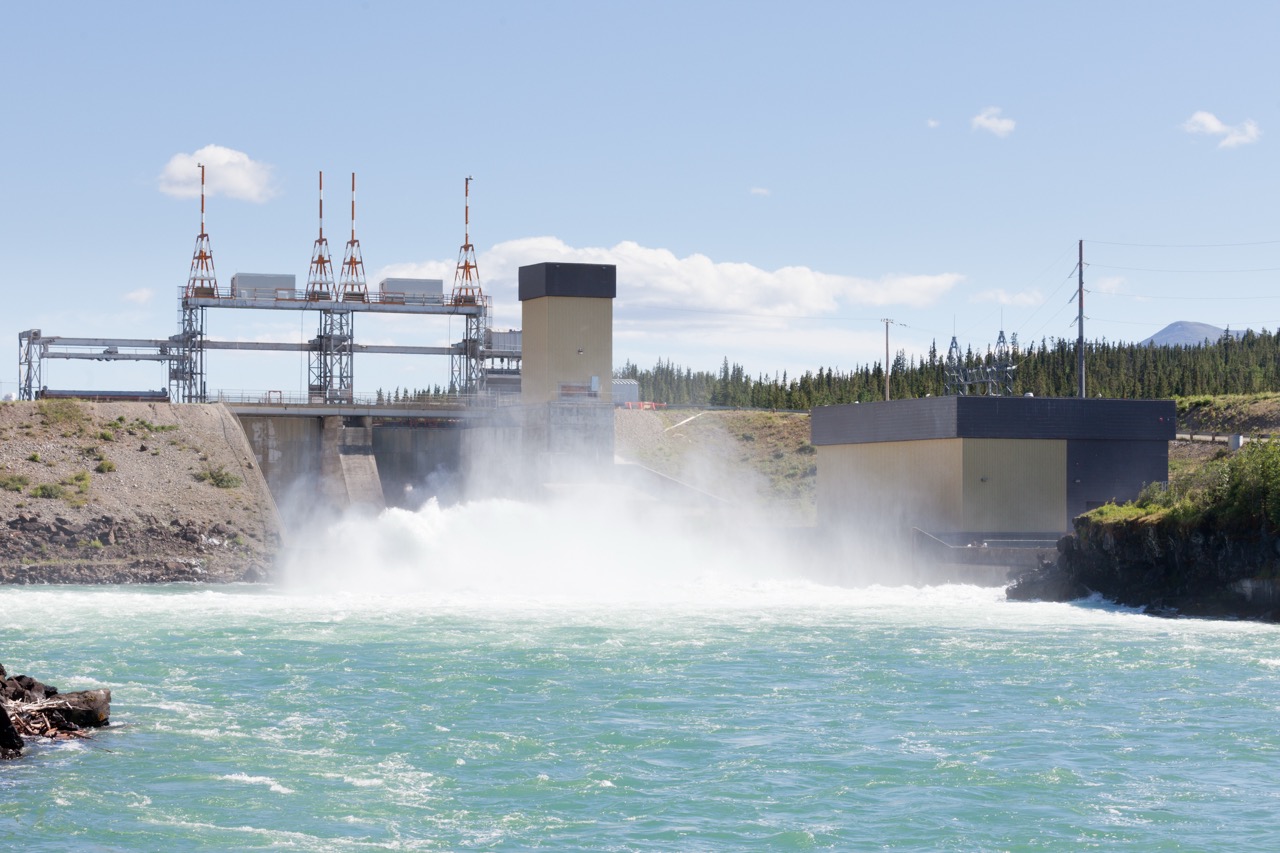
Water is historically the most established renewable source. Hydroelectric, tidal and marine current energy are based on the exploitation of the hydrokinetic potential generated by the movement of water masses.
In the case of hydroelectric energy, production takes place through the passage of water through turbine generators that integrate fundamental electronic components such as:
- alternators;
- inverters;
- control panels;
- power switches.
These systems enable the conversion of kinetic energy into electrical energy and the regulation of the plant’s operating parameters. Technologies of this type are widespread globally; a well-known example is the Hoover Dam in the United States.
Similar systems can also be implemented in river contexts, not exclusively in the presence of vertical drops.
Tides and marine currents
Tidal energy exploits the continuous and predictable motion of the tides using flow generators installed in suitable coastal areas.
The energy of marine currents, on the other hand, is generated directly in the open sea, with less predictable dynamics and a more limited contribution to the overall calculation of renewables.
In Italy, the Strait of Messina is one of the sites of greatest interest for this type of energy exploitation.
Electronic protection in high-exposure environments
All plants that exploit hydrokinetic potential require electronic systems to monitor operating and environmental conditions. Sensors and data collection devices measure parameters such as water depth, wave acceleration and internal and external conditions of the plant.
Continuous exposure to water and severe environmental conditions requires the adoption of adequate electronic protection systems. In this context, Electrolube protective compounds, including encapsulating resins and conformal coatings, enable equipment to operate reliably and for long periods even in harsh environments.
Encapsulation with resin protects devices from the ingress of moisture and water, reducing maintenance times and limiting human intervention in data collection.
Solar energy
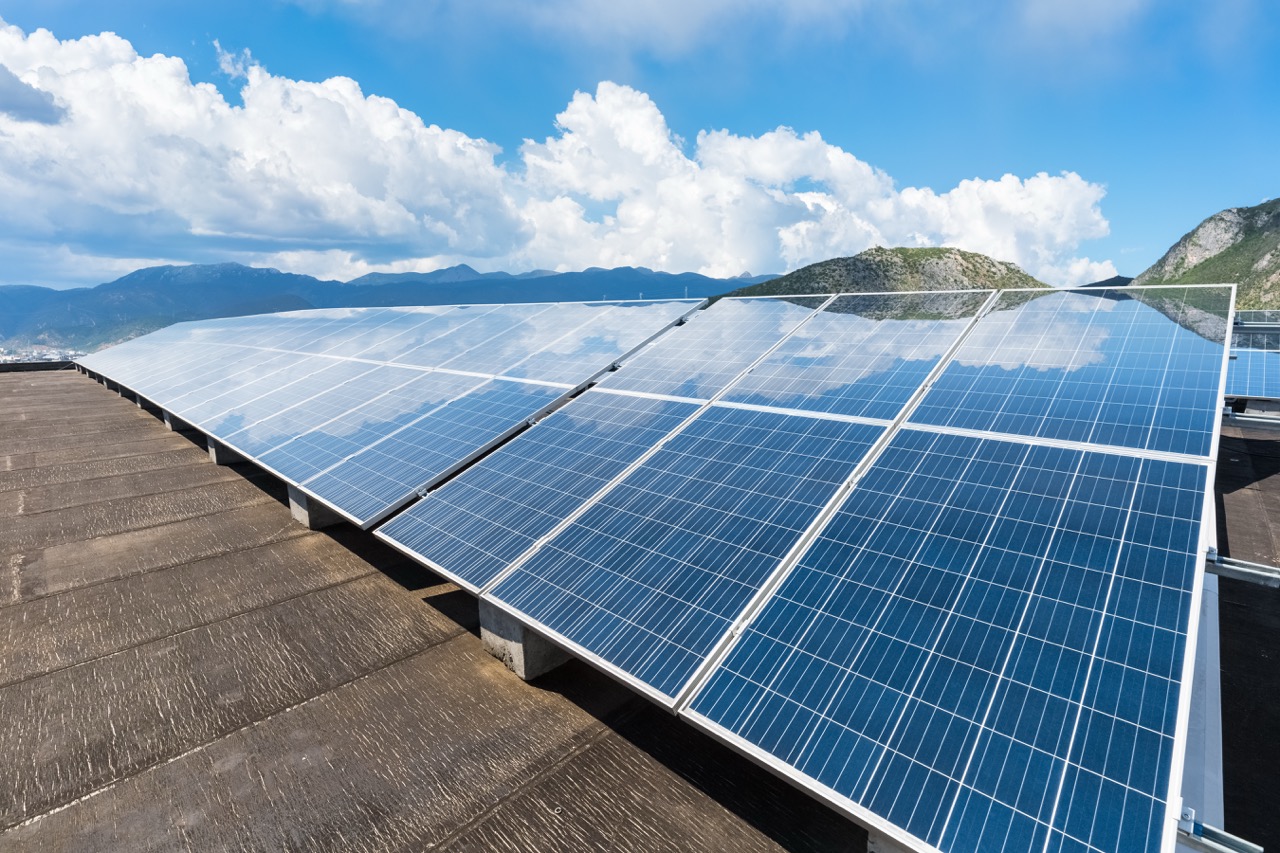
Solar energy is produced by capturing solar radiation and converting it into electricity, heat or hot water. Photovoltaic cells generate direct current, which is converted into alternating current by inverters to power networks and devices.
The systems also include capacitors for the temporary storage of energy and, in off-grid applications, batteries dedicated to storage.
These electronic components often operate at high temperatures and in extreme environmental conditions, requiring solutions that combine environmental protection and thermal management.
Thermal management and encapsulation
Heat dissipation is a critical element for the reliability of electronic devices in photovoltaic systems. Materials for thermal management can be used to facilitate the transfer of heat generated during operation.
Among the examples cited, Electrolube GF400 thermal filler contributes to heat dissipation, while specific encapsulating resins such as Electrolube ER2221 allow environmental protection and heat management to be integrated into a single solution.
Protection of monitoring devices
Monitoring the performance of solar panels is essential to ensure efficiency and optimisation of maintenance, especially in large solar parks. Detection systems measure parameters such as panel temperature, solar radiation and UV and IR spectra.
These devices must withstand direct exposure to the sun, heat and weathering while maintaining compact dimensions and delicate electronic components.
In a specific application, a display device for photovoltaic systems had highlighted critical issues related to the hardness of the resins previously used, which exerted pressure on the LED display, causing operational failures.
Electrolube UR5044 polyurethane resin, characterised by low hardness and stability over a wide range of temperatures, provided superior adhesion and more effective protection than the alternatives tested.
Sensors and data transmission
The accumulation of dirt on the surface of the panels has a negative impact on energy efficiency. In large plants, sensors are used to compare the measurements of active panels with reference panels, calculating the dirt loss index.
These devices must be protected from the environment and must not interfere with GPRS or Bluetooth signals. Encapsulating resins with low dielectric constant, such as Electrolube UR5118, are particularly suitable, also offering high water resistance.
If the unit already has a high degree of IP protection, the application of a conformal coating such as Electrolube AFA may be sufficient to prevent condensation and reduce the overall weight of the device.
Reliability, automation and operational continuity
The integration of renewable energy into everyday applications, from urban lighting to remote control systems and integrated connectivity, highlights the growing centrality of electronics in modern energy systems.
Although overall reliability also depends on mechanical components, it is clear that electronic development is a strategic element for automation, intelligent monitoring and integration with increasingly advanced information technologies.
Materials for thermal management, conformal coating and encapsulation resins therefore play a key role in the protection, reliability and durability of devices used in renewable energy production.
In this context, solutions such as those developed by Electrolube make a concrete contribution to ensuring electrical stability, environmental protection and operational continuity in renewable energy applications.
For more information on the Electrolube product range and electronic protection solutions for renewable energy sources, contact the experts at MD Poland.

